April 23, 2026
Choosing the right heating system for your home is an important decision that affects comfort, energy efficiency, and long-term costs. With several options available, homeowners often compare ductless systems and traditional furnaces to determine which one best fits their needs. Each system offers distinct advantages depending on your home’s layout, climate, and heating preferences. Understanding how these systems work and what they offer can help you make a more informed decision. Whether you are upgrading an existing system or installing a new one, evaluating the key differences between these options will guide you toward the best solution for your home.
Comparing Heating Methods for Different Home Needs
Heating systems in different ways, and these differences can impact performance and efficiency. Furnaces generate heat by burning fuel or using electricity and then distribute warm air through a network of ducts. This approach allows for consistent heating throughout the entire home. In contrast, mini splits operate without ductwork. They use an outdoor unit connected to one or more indoor units, delivering heat directly into specific rooms or zones. This setup allows homeowners to control temperatures in individual areas rather than heating the entire house at once. Mini splits are especially useful in homes without existing ductwork or in spaces where extending ducts would be difficult. Furnaces, however, remain a strong option for whole-home heating in properties that already have a duct system in place.
Evaluating Energy Efficiency and Performance
Energy efficiency is a major factor when choosing a heating system. Systems that use less energy to maintain comfortable temperatures can help reduce monthly utility bills and overall energy consumption. Mini splits are known for their high efficiency because they deliver heat directly to the desired space without the energy loss that can occur in ductwork. This direct approach allows for more precise temperature control and less wasted energy. Furnaces can also be efficient, especially newer models designed with advanced technology. However, some energy loss may occur through ducts, particularly if they are not properly sealed or insulated. Mini splits provide an efficient option for homeowners looking to reduce energy waste and maintain targeted comfort in specific areas of the home.
Considering Installation Requirements and Flexibility
Installation is another key consideration when comparing heating systems. Furnaces typically require ductwork, which can add complexity and cost if it is not already present in the home. Retrofitting ducts into an existing structure can be time-consuming and may require significant modifications. Mini splits, on the other hand, offer a more flexible installation process. Because they do not rely on ducts, they can be installed in a variety of spaces with minimal disruption. Indoor units can be mounted on walls or ceilings, making them adaptable to different room layouts. Mini splits are often a practical choice for home additions, older homes, or areas where installing ductwork is not feasible.
Managing Comfort with Zoned Heating Options
Comfort preferences can vary from room to room, and having control over individual spaces can improve the overall living experience. Zoned heating allows homeowners to adjust temperatures in specific areas rather than relying on a single thermostat for the entire home. Mini splits excel in this area by providing independent temperature control for each indoor unit. This means you can keep certain rooms warmer while using less energy in others. Furnaces typically heat the entire home evenly, which works well for consistent comfort but may not offer the same level of customization. Mini splits give homeowners greater control over their environment, making it easier to create personalized comfort throughout the home.
Reviewing Maintenance and Upkeep Needs
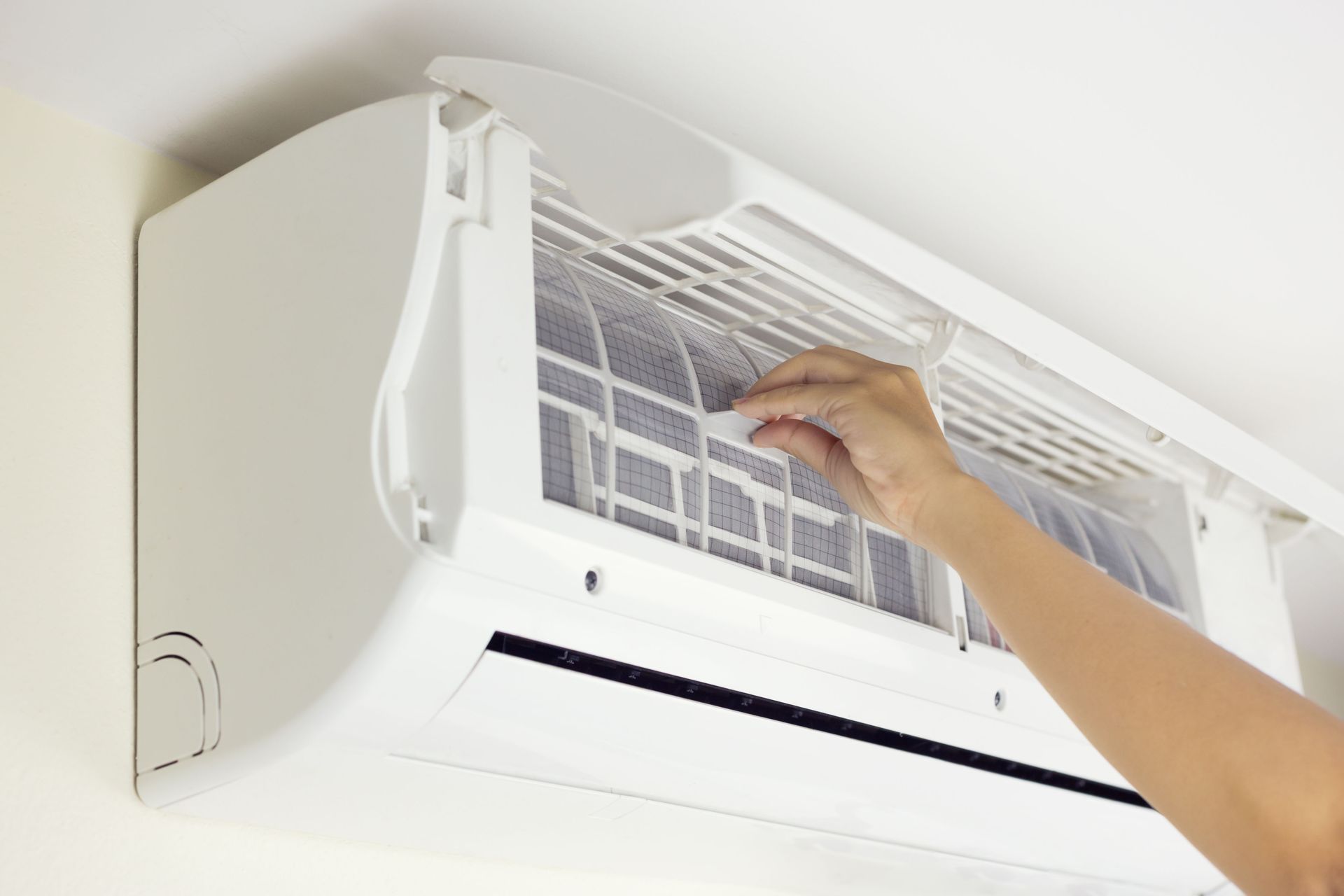
Regular maintenance is essential for keeping any heating system running efficiently. Furnaces require routine inspections, filter changes, and occasional servicing to ensure safe and effective operation. Mini splits also need maintenance, including cleaning filters and checking components. However, the absence of ductwork eliminates the need for duct cleaning and reduces the chances of hidden issues within the system. Both systems benefit from professional servicing, but mini splits can offer a more streamlined maintenance process due to their simpler design.
Analyzing Lifespan and Long-Term Durability
When investing in a heating system, it is important to consider how long it is likely to last. Longevity can influence overall value and help homeowners plan for future replacements. According to ServiceTitan, heating and cooling systems can last up to about two decades, though the lifespan varies by type. Heat pumps generally operate for around 10 years, while furnaces often last closer to 15 years with proper care. Mini splits fall within similar ranges depending on usage and maintenance. Regular servicing and proper installation can help extend the lifespan of any system, ensuring reliable performance over time. Mini splits offer durability when maintained properly, making them a dependable option for long-term use.
Assessing Cost Considerations and Budget Impact
Budget plays a significant role in choosing a heating system. Initial installation costs, operating expenses, and maintenance requirements all contribute to the overall investment. Furnaces may have a lower upfront cost if ductwork is already in place, but installation can become more expensive if modifications are needed. Operating costs can also vary depending on fuel type and efficiency. Mini splits may require a higher initial investment, particularly if multiple indoor units are installed. However, their energy efficiency and zoned heating capabilities can help offset these costs over time. Mini splits provide a balance between upfront investment and long-term savings, making them a worthwhile consideration for many homeowners.
Adapting to Climate and Seasonal Needs
Climate plays a key role in determining which heating system is most effective. Furnaces are known for producing strong, consistent heat, making them a reliable choice in colder regions where temperatures drop significantly. Mini splits are well-suited for moderate climates and can also provide both heating and cooling in a single system. This dual functionality adds convenience and flexibility for year-round comfort. Mini splits are a versatile option for homeowners who want a system that adapts to different seasonal needs.
Supporting Indoor Air Quality and Comfort
Indoor air quality is an important factor in maintaining a healthy home environment. Furnaces rely on ductwork, which can accumulate dust, allergens, and other particles over time if not properly maintained. Mini splits avoid this issue by operating without ducts, reducing the potential for airborne contaminants to circulate throughout the home. Many systems also include advanced filtration features that help improve air quality. Mini splits can contribute to a cleaner indoor environment while providing consistent comfort.
Choosing the Right System for Your Lifestyle
Selecting the best heating system depends on your home’s layout, your comfort preferences, and your long-term goals. Both options offer benefits, and the right choice will vary based on individual needs. Furnaces provide reliable whole-home heating and are a strong option for properties with existing ductwork. Mini splits offer flexibility, energy efficiency, and zoned control, making them ideal for targeted heating and modern living spaces. Mini splits continue to gain popularity as homeowners look for adaptable and efficient solutions that align with their lifestyles.
If you are considering upgrading your home’s heating system, On Point Heating & Air Conditioning is here to help. Our team provides professional guidance and reliable installation services tailored to your specific needs. Whether you are exploring your options or ready to move forward, contact On Point Heating & Air Conditioning today to find the right solution for your home’s comfort and efficiency.