September 3, 2026
When most people think of their home's HVAC unit, they picture a simple system designed to keep a house warm in the winter and cool in the summer. However, relying on widespread myths about how these systems function can lead to higher utility bills, compromised indoor air quality, and premature equipment failure. From improper sizing to the hidden dangers of skipped maintenance and DIY installation, misinformed decisions often cost homeowners far more. Clearing up these common misconceptions is essential for optimizing system efficiency, extending equipment lifespan, and maintaining a healthy, comfortable living environment.
Misconception 1: HVAC Systems Only Affect Temperature
Impact on Indoor Air Quality
It's a common belief that HVAC systems are solely responsible for temperature control, but their role extends far beyond that. One of the critical functions of an HVAC system is to maintain indoor air quality. By controlling air composition, these systems actively filter out pollutants, providing cleaner indoor air. This function becomes vital in urban areas, where outdoor pollution levels can be considerably high. Inadequate indoor air quality can lead to numerous health issues, making this aspect of HVAC systems essential for healthy living environments.
Humidity Regulation and Control
Beyond temperature, HVAC systems play a crucial role in managing indoor humidity levels. Proper humidity control prevents mold growth, which can lead to health issues and property damage. High humidity levels can make spaces feel warmer than the actual temperature, leading to discomfort. Conversely, too little humidity can result in dry air, causing skin irritation and respiratory issues. By balancing moisture levels, HVAC systems enhance indoor comfort significantly, ensuring a healthier home environment for occupants.
Role in Filtration and Purification
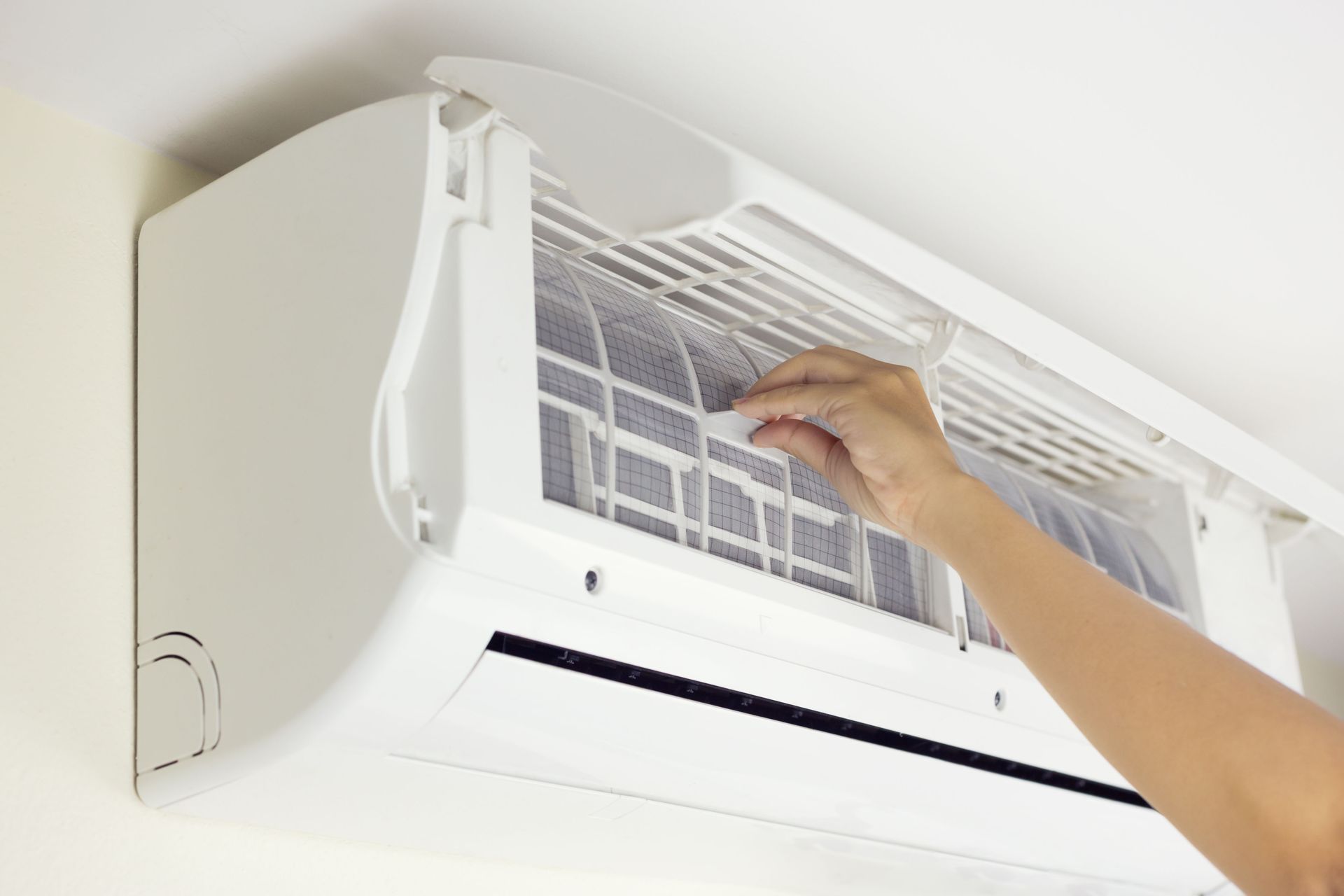
The filtration capacity of HVAC systems is often underestimated. These systems incorporate filters that continuously remove dust, allergens, and other pollutants from the air. Modern HVAC units might include advanced purification technologies, which can significantly reduce the presence of pathogens and other harmful substances. According to WorkYard, 86% of homeowners lack detailed knowledge of HVAC components, highlighting the need to understand their capabilities fully. An informed awareness of HVAC systems' filtration abilities can ensure better health outcomes for residents.
Affecting Indoor Comfort Beyond Temperature
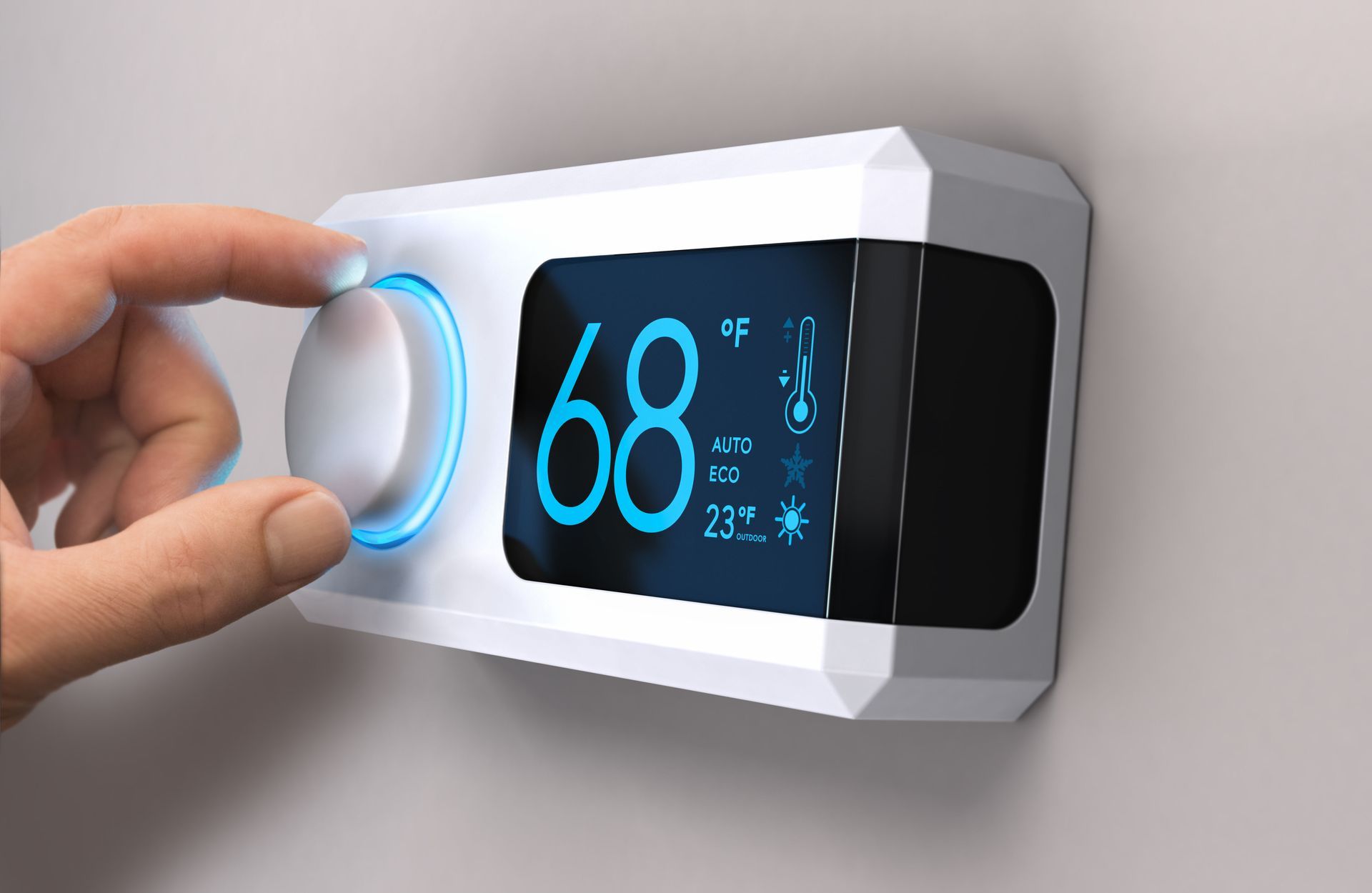
Indoor comfort is the result of various factors, not just temperature alone. An effective HVAC system considers airflow, humidity, and air purity, orchestrating these to enhance overall comfort. Systems equipped with smart technology can learn occupant preferences and adjust settings accordingly. This adaptability significantly elevates the user experience, aligning the indoor environment closely with individual comfort needs. Homeowners often realize the benefits of a properly tuned system only after understanding how these elements work together.
Misconception 2: Bigger Systems Mean Better Performance
Understanding HVAC System Sizing
Contrary to popular belief, bigger isn't always better when it comes to HVAC systems. Proper sizing is crucial for optimizing performance and energy efficiency. An oversized HVAC unit can lead to issues such as short cycling, where the unit turns on and off frequently, causing wear and tear. This reduces the system's lifespan and also results in greater energy consumption and increased costs. Correctly sized systems, tailored to specific building requirements, provide more balanced performance without unnecessary waste.
Efficiency and Cost-Effectiveness
Bigger systems may seem like they provide more power, but they often do so at a greater expense. This can lead to inefficiencies, where energy is wasted heating or cooling space too quickly without appropriately maintaining temperature. This inefficiency translates directly into higher utility bills and excessive wear on the system components. Smaller, properly sized systems will usually maintain better temperature control and operate more quietly. Through professional assessment by an HVAC services company, homeowners can determine the optimal system for achieving comfort and economy together.
Impact on System Lifespan
Over time, an improperly sized HVAC system can suffer from premature wear. This wear is mainly due to the frequent on-and-off cycling caused by oversized systems. With regular cycles stressing the components, systems are likely to experience breakdowns sooner, leading to a reduced lifespan. Smaller systems that match the specific needs of a property generally last longer because they undergo less extensive cycling. An HVAC system should be seen as an investment that, when installed correctly, will deliver long-term reliability and savings.
Misconception 3: Regular Maintenance Isn't Necessary
Importance of Scheduled Check-Ups
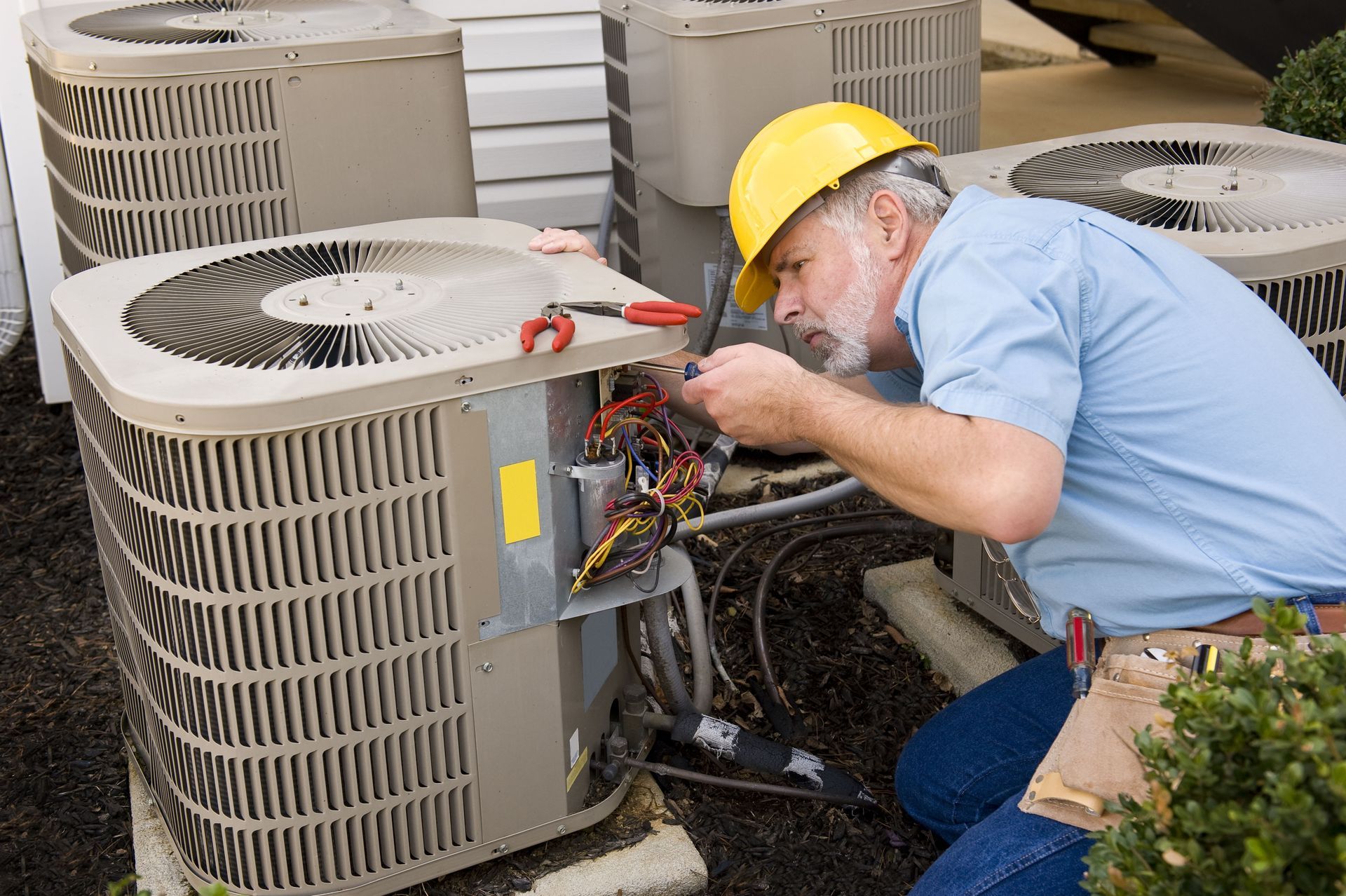
Regular maintenance is essential for the efficiency and longevity of HVAC systems, countering the misconception that it's unnecessary. Scheduled check-ups with your local HVAC services helps identify and remedy problems before they escalate into costly repairs. Simple tasks like changing filters, checking for leaks, and inspecting electrical components can enhance system functionality. Maintenance appointments allow technicians to optimize settings, ensuring components work together efficiently. This proactive approach extends the system's life and provides better indoor air quality and comfort.
Long-Term Cost Implications of Neglect
A persistent myth is that maintenance costs can be avoided without consequence. However, neglecting routine care can lead to significantly higher costs over the long term. Systems that aren't maintained tend to work harder to achieve desired temperatures, leading to elevated energy bills. Furthermore, minor issues that go unchecked can snowball into major defects requiring expensive repairs or even full system replacements. By investing in regular maintenance with HVAC services, homeowners can prevent high costs and disruptions down the line.
Health Impacts of Poor Maintenance
Beyond financial repercussions, poor HVAC maintenance can adversely affect health. Dirty or malfunctioning units can circulate pollutants, allergens, and pathogens, exacerbating health problems such as asthma or allergies. Inefficient systems may also fail to regulate humidity effectively, creating environments conducive to mold growth. Regular maintenance not only provides peace of mind but also ensures healthier home environments by maintaining air quality and comfort. Attentive upkeep is particularly critical in homes where occupants suffer from respiratory conditions.
Misconception 4: DIY Installation is Cost-Effective
Risks of Incorrect Installation
While do-it-yourself projects can offer certain cost benefits, HVAC system installation isn't typically one of them. DIY installations carry significant risks, including improper system sizing or incorrect wiring, which can lead to inefficiencies or malfunctioning units. Such errors can result in additional costs far exceeding those saved by not hiring professional HVAC services. Incorrect installations can also lead to safety risks and potential damage to both the system and property. By employing a professional, homeowners ensure accurate and secure installation, safeguarding against avoidable risks.
Importance of Professional Expertise
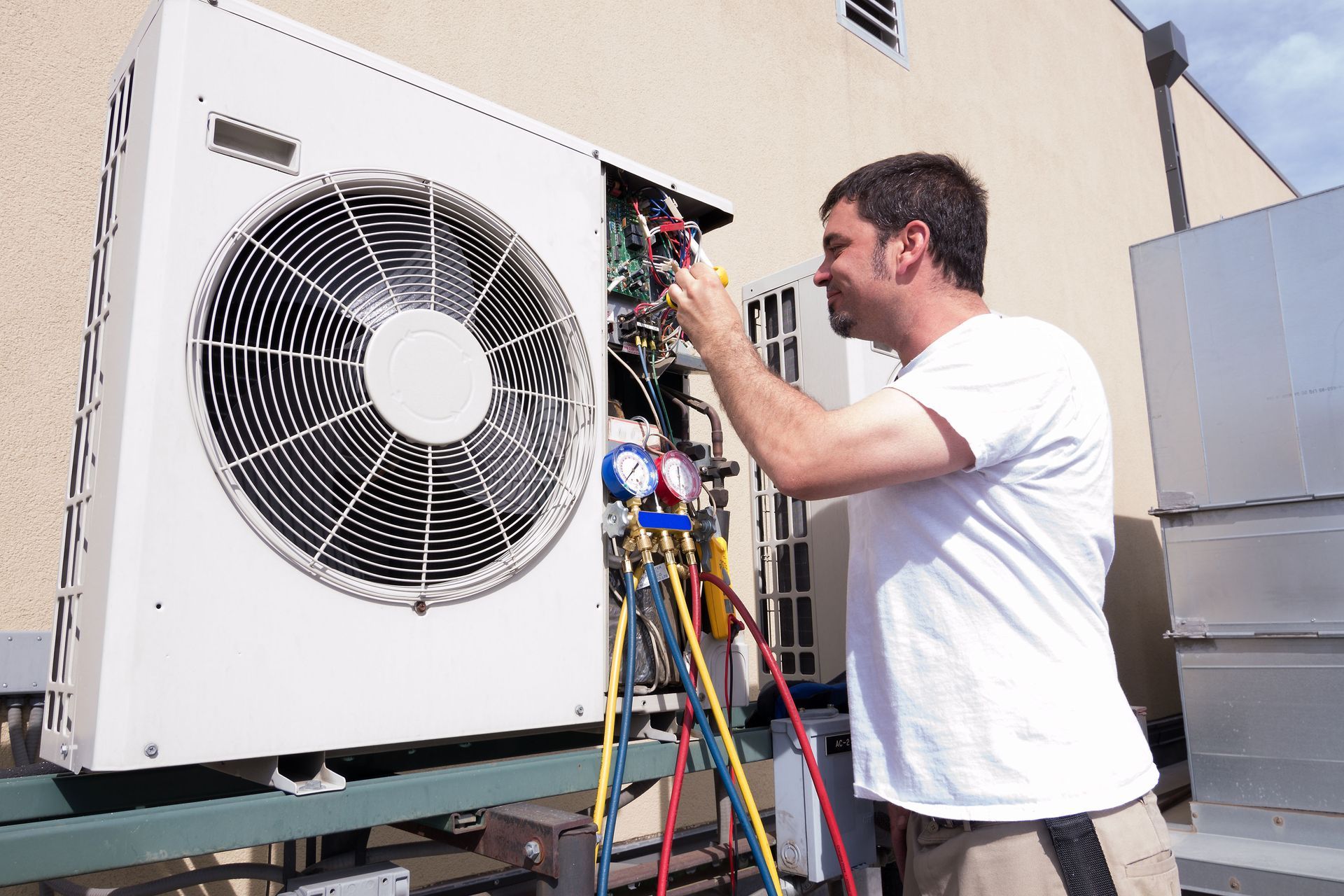
Installing an HVAC system involves complexities best handled by skilled professionals. Experienced installers possess the technical know-how to navigate system components and orchestrate a seamless setup, ensuring optimal function. Professional installation also guarantees compliance with local code and regulation standards. This expertise minimizes disruption and room for error, preventing potential malfunction or premature system failure. Owner confidence in system performance rests heavily on the expertise of reliable HVAC services professionals, marking it a wise choice over DIY alternatives.
Long-term Costs of Improper Setup
An improperly installed HVAC system can lead to a host of long-term challenges, including excessive energy use and frequent maintenance needs. System malfunctions can result from improperly sealed ducts, leading to inefficiencies. Over time, these issues drive up operational costs and necessitate costly repairs or reinstallation. Relying on HVAC services from the outset helps avoid these long-term financial burdens. Proper investment upfront by employing certified installers saves money and ensures continued comfort and system longevity.
HVAC systems are a critical component of modern living, and understanding them beyond common misconceptions can lead to better efficiency, comfort, and longevity. Encouraging informed decisions will benefit both the performance of the systems and the well-being of those who rely on them. While HVAC systems may seem complex, knowledge of their varied functions, coupled with professional guidance from HVAC services like On Point Heating & Air Conditioning, empowers homeowners. Reach out to us today to learn more!