March 11, 2026
As summer temperatures rise, the last thing you want is for your air conditioning system to fail. It's important to recognize the warning signs of an HVAC system in need of local HVAC repair to avoid costly replacements and uncomfortable heat. Keep reading to explore five clear indicators that your AC unit requires professional attention and learn how addressing these issues promptly can save you time, money, and convenience.
1. Weak Airflow
Weak airflow in your home can be more than just a sign of discomfort; it could be an indicator of a more significant underlying issue. Ineffective cooling is often a result of blocked ductwork, which hampers the air movement within the system. This blockage could stem from debris or even pest infestations within your ducts. As air conditioning systems on average utilize 12% of the electricity in U.S. homes, according to ServiceTitan, any inefficiency can lead to increased power consumption and higher bills. To nip this problem in the bud, ensure regular maintenance checks for any obstructed ducts.
Another potential culprit for weak airflow is a faulty blower motor. This component is responsible for pushing the cooled air through your home's ductwork. Over time, regular wear and tear, or lack of maintenance, can cause the blower motor to malfunction, resulting in inadequate airflow. Replacing or repairing the blower motor can be a cost-effective solution if addressed promptly. It's always prudent to engage a local HVAC repair professional to diagnose whether your blower motor is functioning as required.
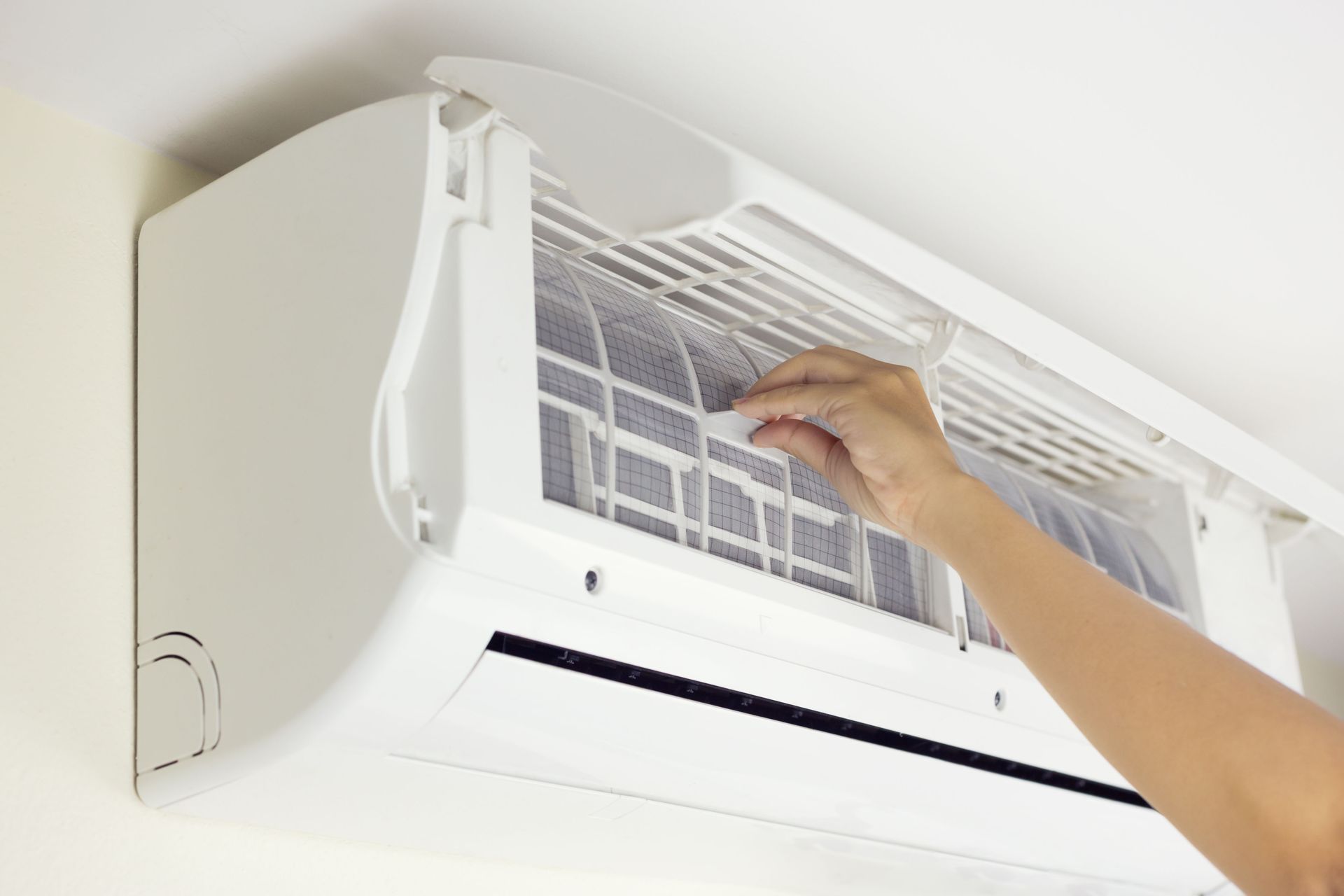
Dirty air filters can also contribute significantly to weak airflow. When filters become clogged with dust and debris, they restrict the passage of air, causing the system to work harder to maintain the desired temperature. This not only reduces the efficiency of the air conditioner but can also drastically increase your energy consumption. Furthermore, neglected filters can lead to system imbalance, where rooms within your home might experience uneven cooling. To prevent such situations, consider implementing a routine check and change of your air filters every 1 to 3 months.
2. Strange Noises
While your air conditioning system typically operates with a steady hum, unusual noises can signify underlying problems. Any rattling or banging sounds may indicate loose parts within the system. These noises can emerge from unfastened screws, bolts, or even loose fan blades. It's crucial to address these issues immediately; otherwise, they could escalate into more significant mechanical failures. Scheduling a professional inspection can help identify and resolve these problems efficiently.
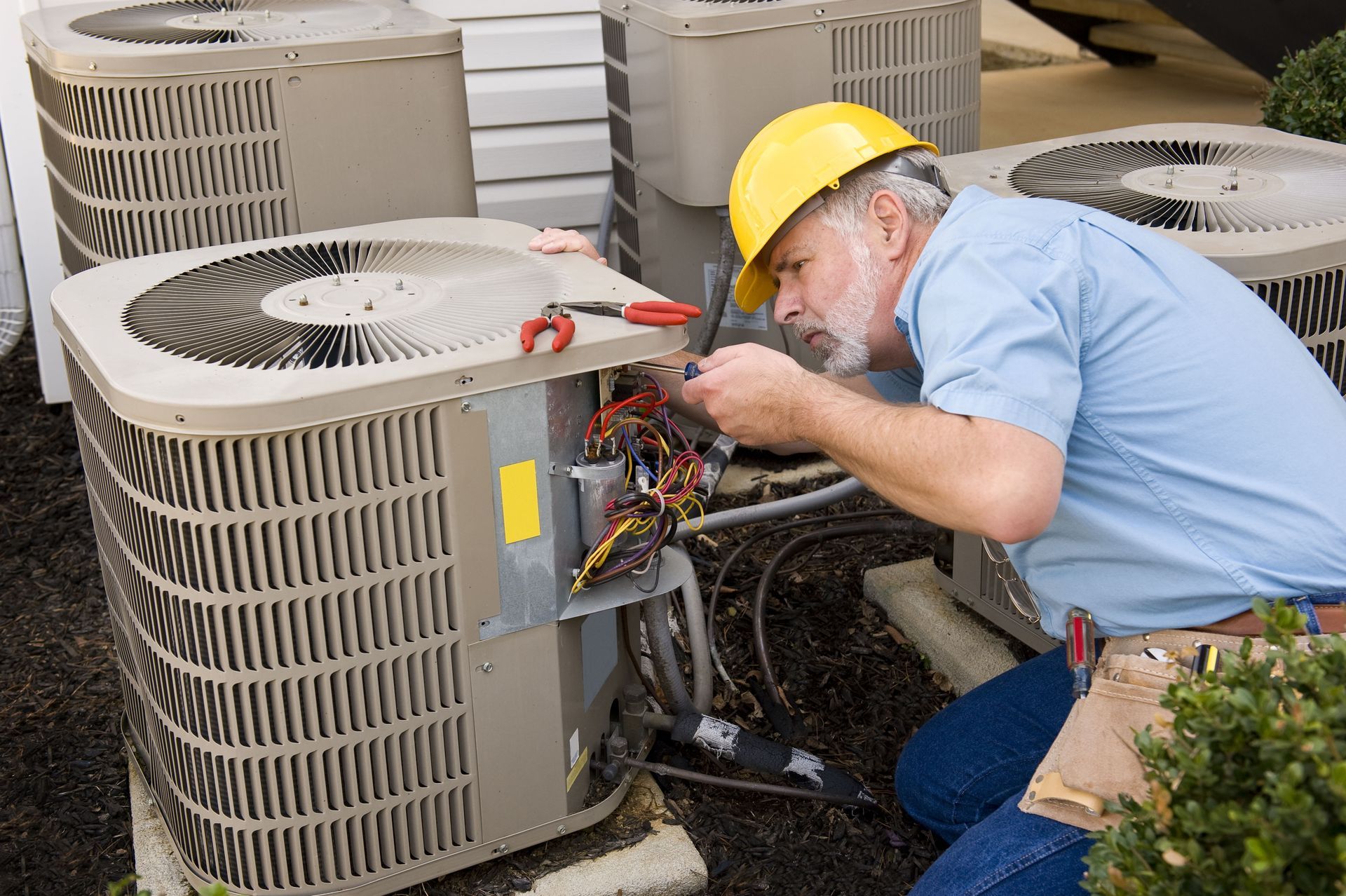
Beyond structural issues, other noises point directly to electrical or mechanical issues. Humming or buzzing sounds, for example, could suggest that there's an electrical problem within the unit. Often, these sounds arise from faulty wiring or a failing capacitor. Consistent exposure to such inefficiencies not only risks further damage to the system but can also pose safety hazards. Therefore, it's essential for homeowners to seek professional assistance for any unusual electrical noises.
Squealing or screeching sounds, on the other hand, typically result from problems related to the fan belt or compressor. As components wear out, they can cause unpleasant high-pitched sounds, which are often clear indicators that local HVAC repair or maintenance is required. In some cases, these noises arise when parts run without lubrication, causing unnecessary friction. Regular maintenance can ensure that all components are properly lubricated and functioning seamlessly, thus circumventing any noises indicative of wear or impending failure.
3. Unpleasant Odors
The presence of unpleasant odors when your AC is running should raise immediate red flags. A musty smell is one of the most common signs of mold or mildew growth within the system. Mold can develop when moisture accumulates in your ducts or drainage area, posing health risks to household members. Moreover, it can cause structural issues in your ductwork if not promptly addressed. Regular cleaning and dehumidification can prevent such problems and maintain a healthy indoor environment.
Sometimes, a burning scent might emanate from your AC, signaling potential overheating or electrical issues. These smells can be due to overheated insulation within the unit or electrical components that have short-circuited. It is critical to turn off the system immediately and consult with a local HVAC repair technician to prevent potential fires or irreparable damage. Ignoring these signs can lead to expensive repairs or complete system failure.
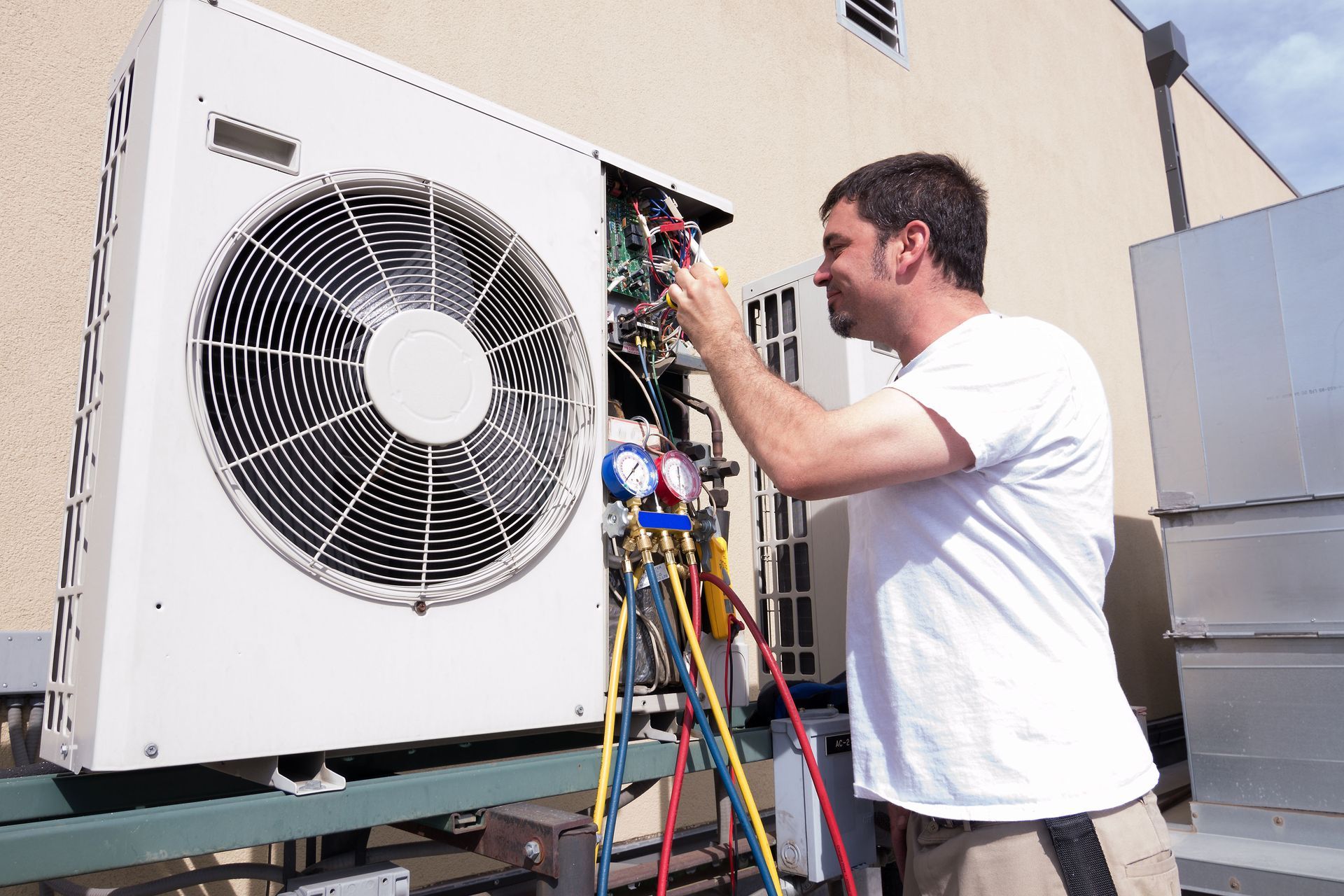
The distinct smell of chemicals often indicates a refrigerant leak. If left unchecked, not only will it reduce your AC's efficiency, causing it to use more electricity than necessary, but it can also pose serious health risks to family members due to inhalation. Chemical odors require immediate attention, and only certified professionals should handle refrigerant-related issues. Beyond health implications, attending to refrigerant issues ensures the longevity and reliability of your cooling system.
4. Frequent Cycling
Frequent cycling is when your AC system turns on and off more regularly than usual, indicating several potential issues. Thermostat malfunctions are a common cause, leading to inconsistent indoor temperatures and increased energy consumption. Regular HVAC maintenance can help mitigate thermostat issues before they disrupt your system's efficacy. Furthermore, setting your thermostat appropriately can help balance system demands, optimizing both performance and cost.
Another primary reason for frequent cycling is refrigerant leaks, which can be detrimental to both your system's efficiency and your pocket. If refrigerant levels become low, the system must work harder to compensate, leading to increased cycling and wasteful energy consumption. Given that air conditioners typically use a significant portion of a home's electricity, resolving this quickly helps in reducing additional costs. Monitoring refrigerant levels ensures your HVAC system operates within optimal parameters.
Improper sizing of your AC system can also lead to frequent cycling. Units that are too large for your home will cool too quickly, causing the system to turn on and off frequently. Conversely, systems that are too small will struggle to reach the desired temperature, leading to continuous operation. Ensuring your AC unit is correctly sized for your home's needs is a preventive measure that guarantees consistent cooling and efficient energy use.
5. Rising Energy Bills
An unexpected rise in your energy bills might be a direct result of your AC system underperforming. When inefficiency creeps in, systems take longer to reach desired temperatures, consuming more electricity. A decrease in efficiency could stem from many of the aforementioned issues, including dirty filters and faulty components, and it's pivotal to identify and rectify the cause. Regular tune-ups can detect and resolve these inefficiencies before they inflate background utility costs. By maintaining an efficient HVAC system, homeowners can mitigate the strain on resources and avoid excessive energy expenses.
An overworked system contributes prominently to growing energy bills. If your unit works overtime to maintain comfortable indoor climates, it will consume significantly more electricity. This not only increases operational costs but can also lead to eventual system breakdowns due to overexertion. Professional maintenance checks ensure that each component functions correctly, reducing overall workload and improving energy efficiency. It's a proactive approach that preserves both your pocket and your AC unit's lifespan.
Malfunctioning components, such as failing capacitors or worn-out fan belts, can reduce an HVAC system's efficiency. When these components don't operate optimally, they can lead to additional strain and elevated energy costs. Furthermore, minor mechanical failures, if ignored, can cause cascading issues that impact the unit's entire operation. Timely repairs prevent these costs from escalating, ensuring that your system functions efficiently without expending unnecessary power. Remember that a well-tuned HVAC system contributes to lower electricity consumption, averaging a more balanced share of your overall energy bills.
Recognizing the signs that your AC system needs local HVAC repair can prevent complete system failures and keep your home cool and comfortable. If you notice any of these warning indicators, it's crucial to contact a local HVAC repair professional. Timely intervention ensures efficient operation, extends the lifespan of your unit, and provides peace of mind during peak summer months. Reach out to On Point Heating & Air Conditioning today.