September 1, 2026
Rising energy bills can leave homeowners wondering whether their heating and cooling system is working as efficiently as it should. Mini-split systems are designed to provide flexible temperature control, but like any HVAC equipment, they require regular attention to continue operating properly. Dirt, worn components, drainage issues, and other maintenance concerns can gradually affect performance and cause the system to work harder than necessary. When small problems go unnoticed, they may eventually lead to reduced comfort, higher operating costs, and unexpected repairs. Regular professional service can help identify issues before they have a greater impact on system performance. Understanding how maintenance supports efficiency can help homeowners take steps to keep their equipment operating more effectively.
Keeping Components Clean and Efficient
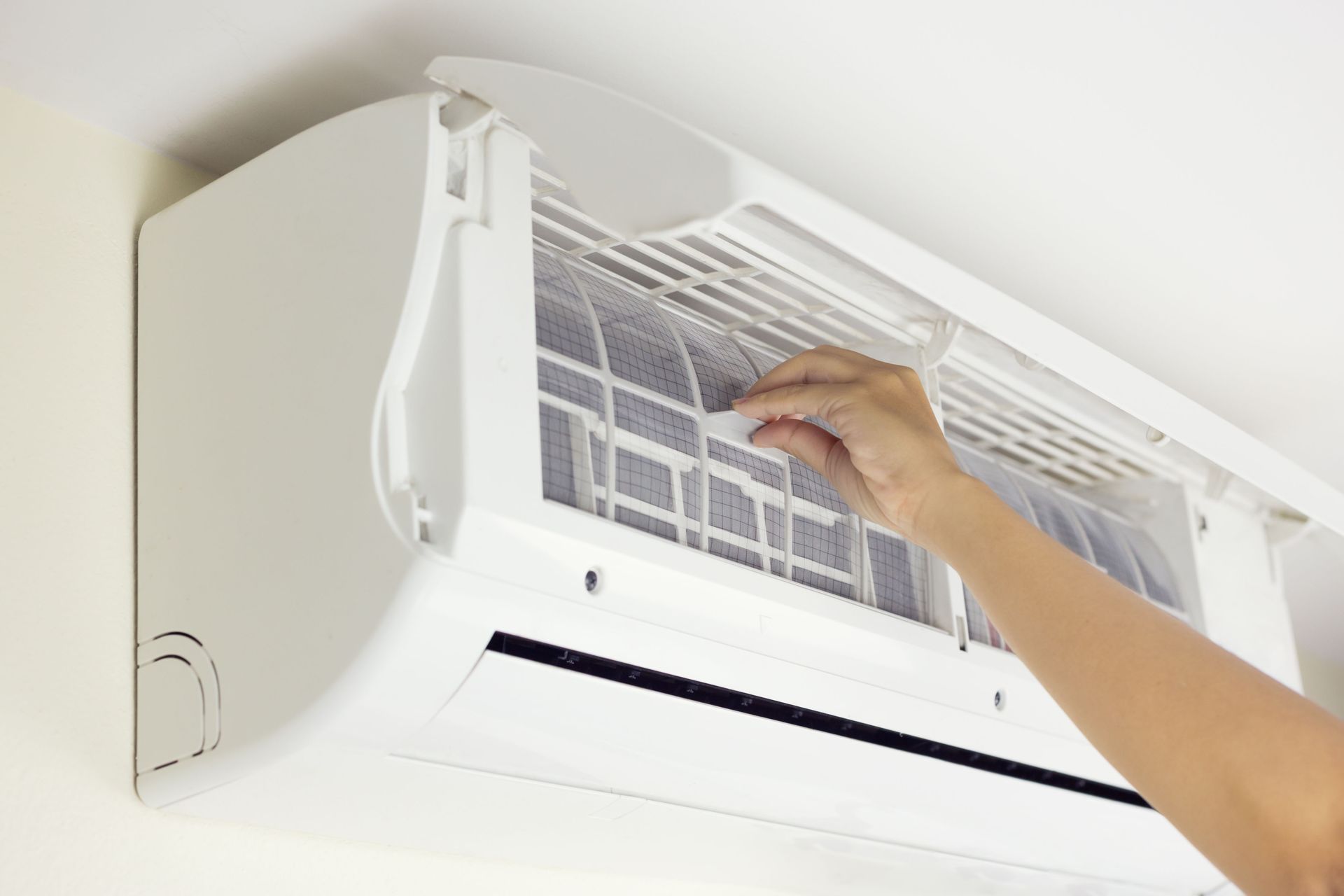
Mini-split systems rely on several components working together to deliver consistent heating and cooling. Over time, dust and debris can collect on filters, indoor units, and other areas that affect airflow. When airflow becomes restricted, the system may need to work harder to maintain the desired temperature. Regular service allows these areas to be inspected and cleaned when necessary. A mini split can perform more effectively when air is able to move through the system without unnecessary restrictions. Clean components may also help the equipment maintain more consistent operation throughout periods of regular use. Ignoring buildup for too long can contribute to declining performance and increased strain on the system. Routine attention helps keep small maintenance concerns from developing into larger efficiency problems.
Maintaining Proper Airflow Throughout the Home
Consistent airflow plays an important role in maintaining indoor comfort and supporting efficient operation. If an indoor unit is blocked by dust, furniture, or other obstructions, conditioned air may not circulate as effectively through the space. Homeowners may respond by lowering or raising the temperature setting, causing the system to operate longer than necessary. Professional service can help identify airflow concerns and determine whether adjustments or cleaning are needed. Proper placement and clear space around indoor units can also support better circulation. During a maintenance visit, technicians can evaluate how the equipment is operating and look for conditions that may be limiting performance. When airflow is improved, the system may be better able to maintain comfortable temperatures without unnecessary operation. Addressing these concerns early can help prevent comfort issues from contributing to higher energy use.
Checking Refrigerant System Performance
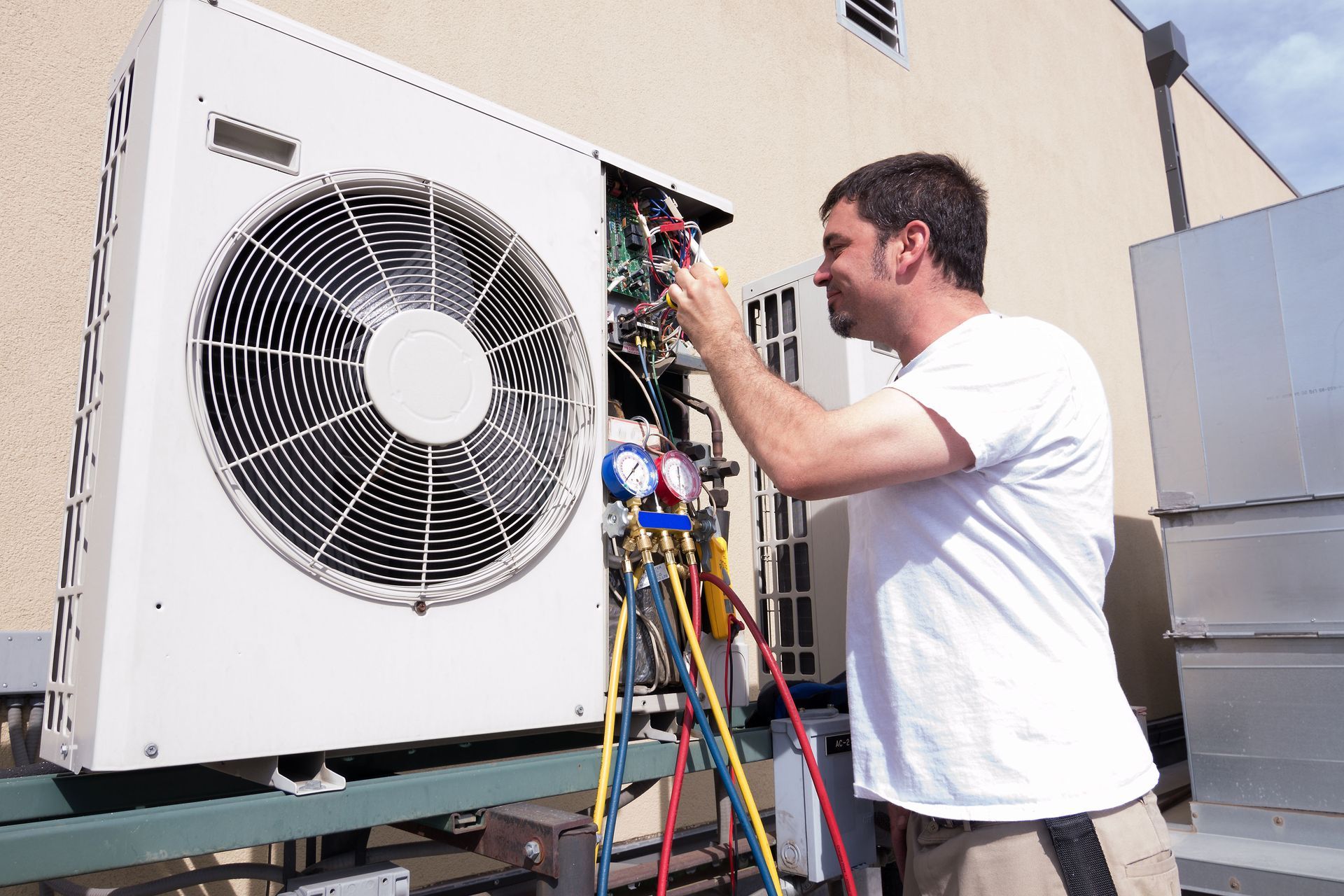
The refrigerant system is essential to the cooling and heating process. Problems involving refrigerant levels or related components can affect how efficiently the equipment transfers heat. A system that is not operating as intended may take longer to reach the desired temperature or struggle to maintain consistent comfort. Professional technicians can inspect the equipment and look for signs that additional service may be necessary. Mini split maintenance can include checking system performance and identifying concerns that could affect operation. Refrigerant-related issues should be handled by qualified professionals because the system requires proper diagnostic procedures and service practices. Addressing a problem early may help prevent additional strain on other components. Regular inspections can provide an opportunity to identify performance concerns before they become more disruptive.
Monitoring Electrical Connections and Controls
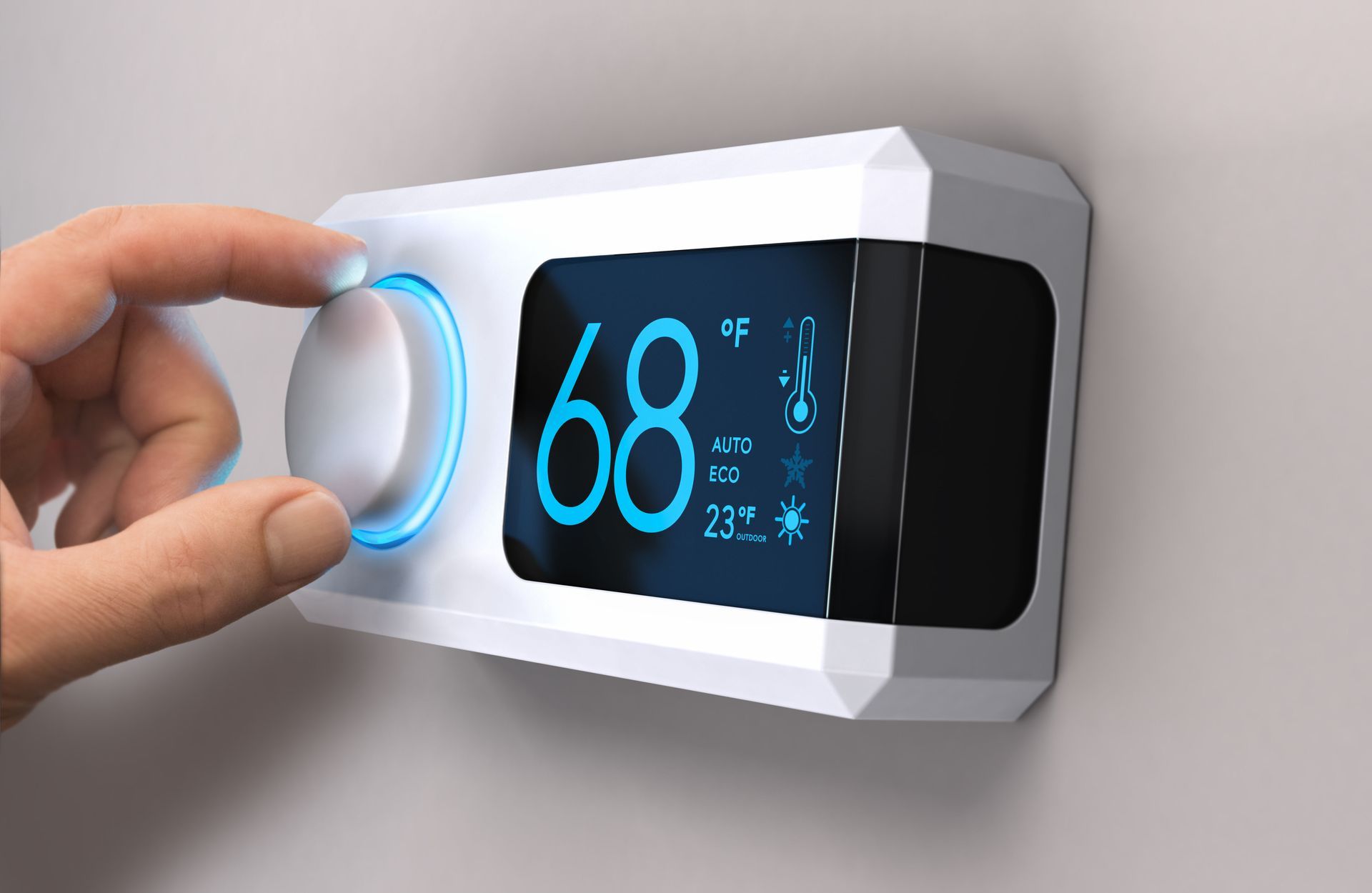
Modern HVAC equipment depends on electrical components and controls to operate properly. Loose connections, damaged wiring, or malfunctioning controls can affect how the system responds to temperature changes. These problems may not always be obvious to a homeowner, particularly when the system continues to run. A professional inspection can include checking relevant electrical components and evaluating how the controls are functioning. The technician can also identify whether settings are contributing to unnecessary operation. A properly maintained mini split may respond more accurately to the temperature needs of the space. Correct operation can help prevent the equipment from running longer than required because of a control-related issue. Monitoring these components as part of regular service supports both performance and system reliability.
Preventing Small Problems From Growing
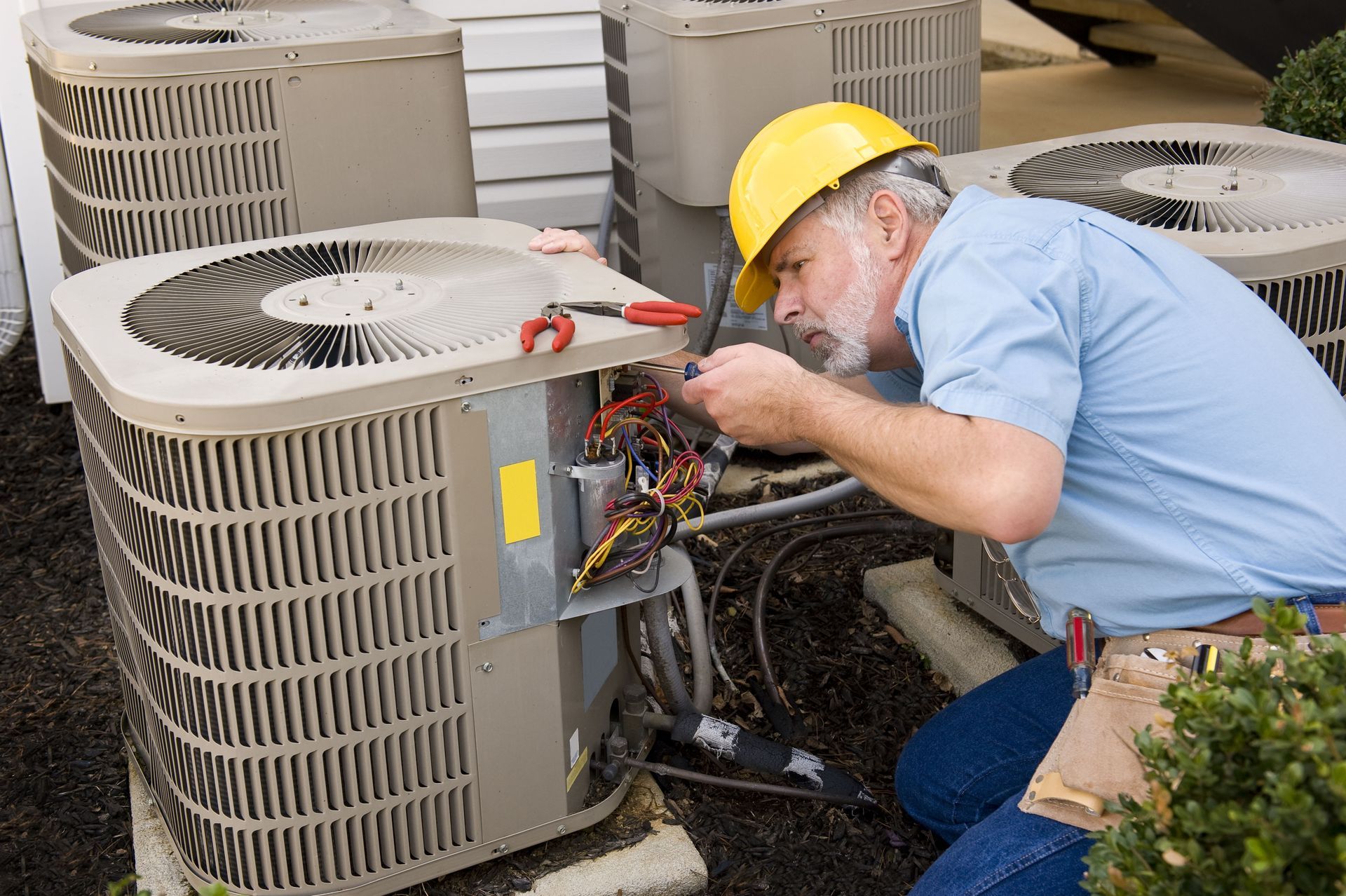
Many HVAC issues begin as relatively small concerns. A dirty component, unusual sound, drainage problem, or minor performance change may not immediately stop the system from operating. However, continued use without attention can allow the issue to become more serious. Regular service provides an opportunity to inspect the equipment and address concerns before they lead to more extensive repairs. Technicians can identify visible wear and evaluate whether specific components need attention. Scheduling service for a mini split can help homeowners stay informed about the condition of their equipment. Early maintenance may also reduce the chance of discovering a problem only after the system experiences a major failure. Taking a proactive approach allows homeowners to address concerns when they are often easier to manage. This can support more predictable system performance and help avoid unnecessary interruptions.
Supporting Consistent Temperature Control
One advantage of ductless equipment is the ability to manage temperatures in individual areas of the home. However, inconsistent performance can make it difficult to maintain the comfort levels homeowners expect. A unit that struggles to respond properly may operate longer while attempting to reach the selected setting. Regular maintenance helps technicians evaluate whether the equipment is heating or cooling effectively. The condition of filters, coils, controls, and other components can all influence temperature performance. A mini split system that receives proper service may be better prepared to maintain consistent conditions throughout regular use. Homeowners can also discuss any rooms that seem unusually warm or cool during a maintenance appointment. Addressing comfort concerns can help identify issues that may otherwise contribute to increased energy consumption.
Protecting the System From Unnecessary Strain
HVAC equipment can experience additional strain when it must compensate for restricted airflow, dirty components, or developing mechanical problems. The longer these conditions continue, the greater the potential impact on overall performance. Regular inspections can help identify conditions that may be causing the system to work harder than necessary. A technician can recommend appropriate maintenance or repairs based on the equipment's condition. Mini split service can be particularly valuable before periods of heavy heating or cooling use. Preparing the equipment in advance may help reduce the risk of performance problems when the system is needed most. Preventive attention also allows homeowners to ask questions about unusual sounds, odors, or changes in operation. Keeping the system in good condition supports more dependable performance over time.
Improving Long-Term System Performance
Energy efficiency is not only about what happens during a single month of operation. The overall condition of HVAC equipment can influence how it performs throughout its service life. Systems that receive regular attention may have a better opportunity to operate as intended and avoid some preventable issues. During professional service, technicians can evaluate the equipment's condition and identify areas that may need monitoring. This gives homeowners useful information about potential concerns before they become urgent. A well-maintained mini split can continue providing heating and cooling while receiving the care needed to support its ongoing performance. Maintenance also creates an opportunity to address small issues before they affect additional components. Over time, a consistent service routine can help homeowners take a more proactive approach to managing their HVAC equipment.
Avoiding Unexpected Energy Waste
Energy waste can occur when a heating and cooling system runs longer or works harder than necessary. Homeowners may not immediately recognize that declining efficiency is affecting their monthly utility costs. Small changes in performance can gradually increase energy use without causing an obvious system failure. Regular maintenance provides an opportunity to look for conditions that may be contributing to unnecessary operation. According to ServiceTitan's 2025 HVAC Industry Statistics, a large majority of homeowners do not schedule preventive HVAC maintenance, despite the significant role heating and cooling play in household energy consumption. A professional inspection can help identify issues that may be preventing the system from operating efficiently. By addressing maintenance concerns, homeowners can take practical steps toward reducing unnecessary energy use. Paying attention to system performance can be an important part of keeping utility costs from climbing.
Don't wait for rising energy bills or declining comfort to signal that something is wrong. Contact On Point Heating & Air Conditioning today to schedule professional mini split service and help keep your system operating efficiently throughout the year.