June 1, 2026
Carbon monoxide is an invisible, odorless, and tasteless gas that poses a profound threat to households everywhere. Because it cannot be detected by human sight or smell, it frequently goes unnoticed until it has already begun to cause severe physiological harm. Homeowners often overlook the subtle indicators of a leak, assuming their heating systems and major appliances are functioning perfectly when underlying technical faults are present. This silent hazard makes regular monitoring and system evaluation absolute necessities for anyone wishing to maintain a secure and healthy indoor living environment for their families.
Prioritizing indoor safety involves a deep understanding of how fuel-burning systems interact with the air inside a property. A comprehensive safety plan must account for every possible source of combustion exhaust, tracking how system wear and tear might allow toxic gases to escape into living spaces. Most companies that offer a professional HVAC service can help you with your carbon monoxide needs. By gaining a thorough understanding of the mechanisms behind gas generation and the vital role of specialized diagnostics, property owners can effectively shield their households from potential disasters. This article explores the essential aspects of gas detection, proper system maintenance, and the preventative steps necessary to guarantee residential safety.
Assessing Domestic Sources and Critical Hazards
Residential properties contain numerous systems that rely on the combustion of natural gas, oil, propane, wood, or charcoal. Water heaters, furnaces, cooking ranges, and fireplaces all generate exhaust during normal operation, which must be safely vented outside the building. If a venting flue becomes blocked, or if an appliance experiences incomplete combustion due to a damaged component, carbon monoxide can rapidly accumulate in enclosed rooms. This accumulation creates an immediate hazard, as individuals inside the home breathe in the toxic air without realizing that their environment has become compromised.
When inhaled, carbon monoxide binds with hemoglobin in the bloodstream far more effectively than oxygen does, depriving the brain, heart, and other vital organs of the oxygen they require to function. Initial exposure often causes symptoms that mirror the flu, such as fatigue, dizziness, nausea, and mild headaches, which makes it easy for individuals to misdiagnose the underlying cause. Prolonged exposure to high concentrations can lead to permanent neurological damage, cardiac complications, or even fatalities. Given these severe risks, ensuring that fuel-burning appliances are operating within safe parameters is a core responsibility for every property owner.
Scheduling Annual Equipment Inspections
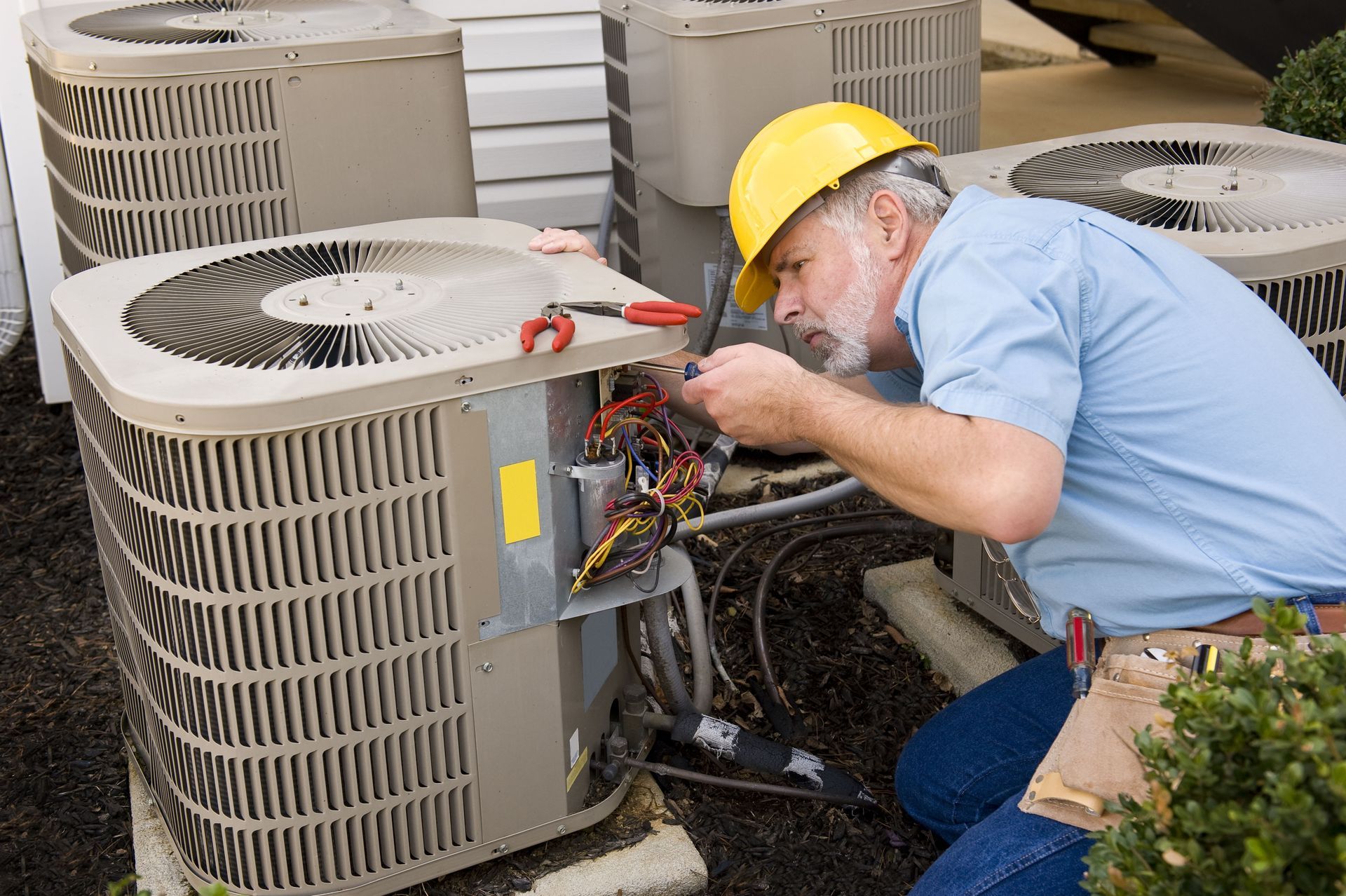
Protecting a household from invisible combustion hazards requires consistent attention to the physical condition of all heating and cooking appliances. Mechanical components wear down over time, heat exchangers can develop microscopic cracks, and ventilation pipes can become dislodged or blocked by debris. Routine evaluations by trained professionals ensure that these vulnerabilities are identified and corrected long before they can allow toxic exhaust to seep into the home. Early detection of issues can prevent CO emissions and ensure appliances function efficiently. According to ServiceTitan, homeowners can reduce their carbon emission by up to 7.6 tons by upgrading their heating equipment. Routine inspections contribute to both safety and environmental sustainability.
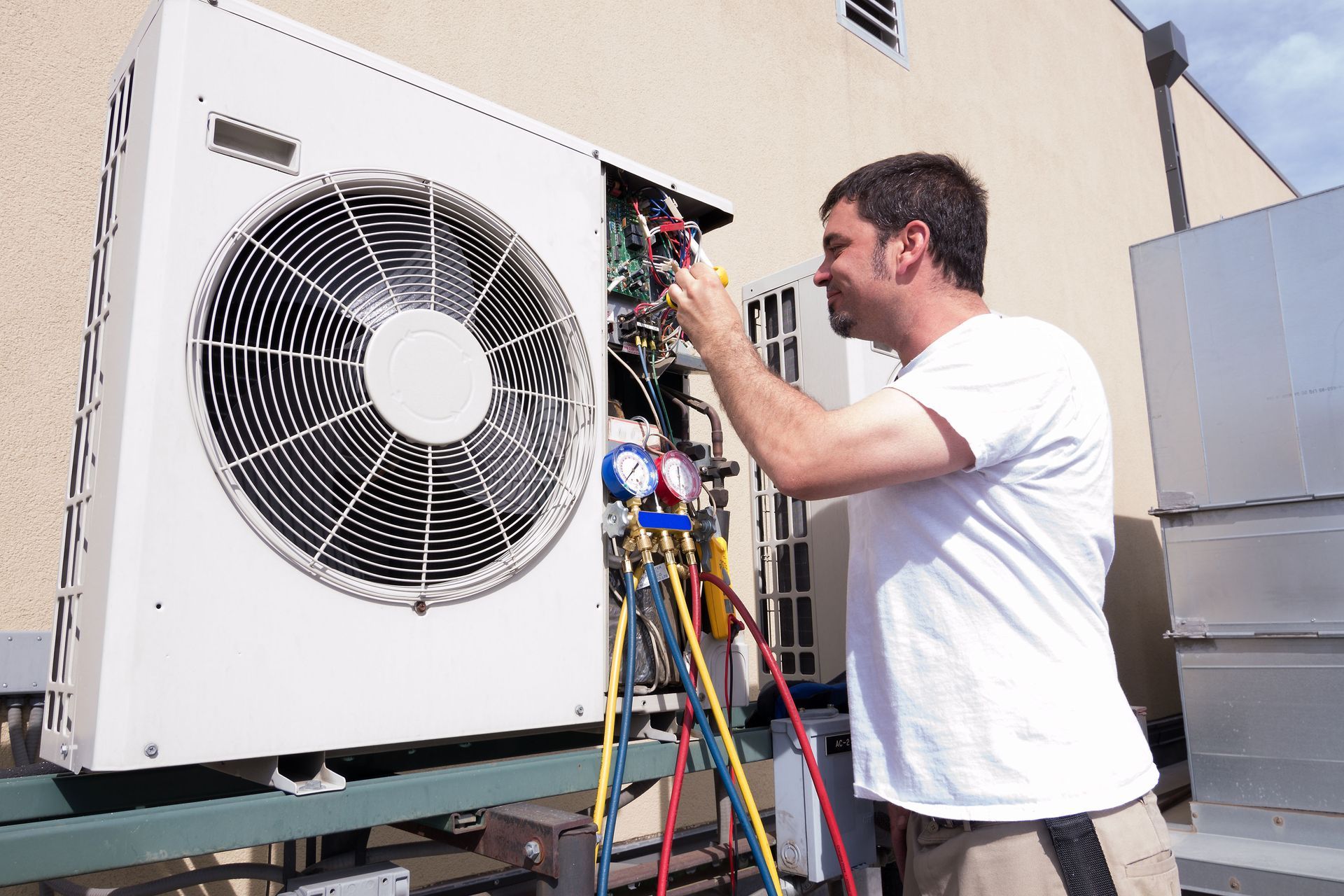
A detailed inspection involves analyzing burner flames, checking draft pressures, and verifying that all safety shut-off mechanisms operate exactly as designed. Certified technicians utilize specialized equipment to measure the ambient air around appliances, checking for tiny traces of combustion byproducts that standard residential sensors might not immediately detect. These detailed checkups optimize the overall energy efficiency of the property, helping to lower monthly utility costs while reducing the building's carbon footprint. Investing in a professional HVAC service on a regular basis establishes a dependable barrier against unexpected equipment failures and dangerous gas leaks.
Managing Warning Devices and Detection Systems
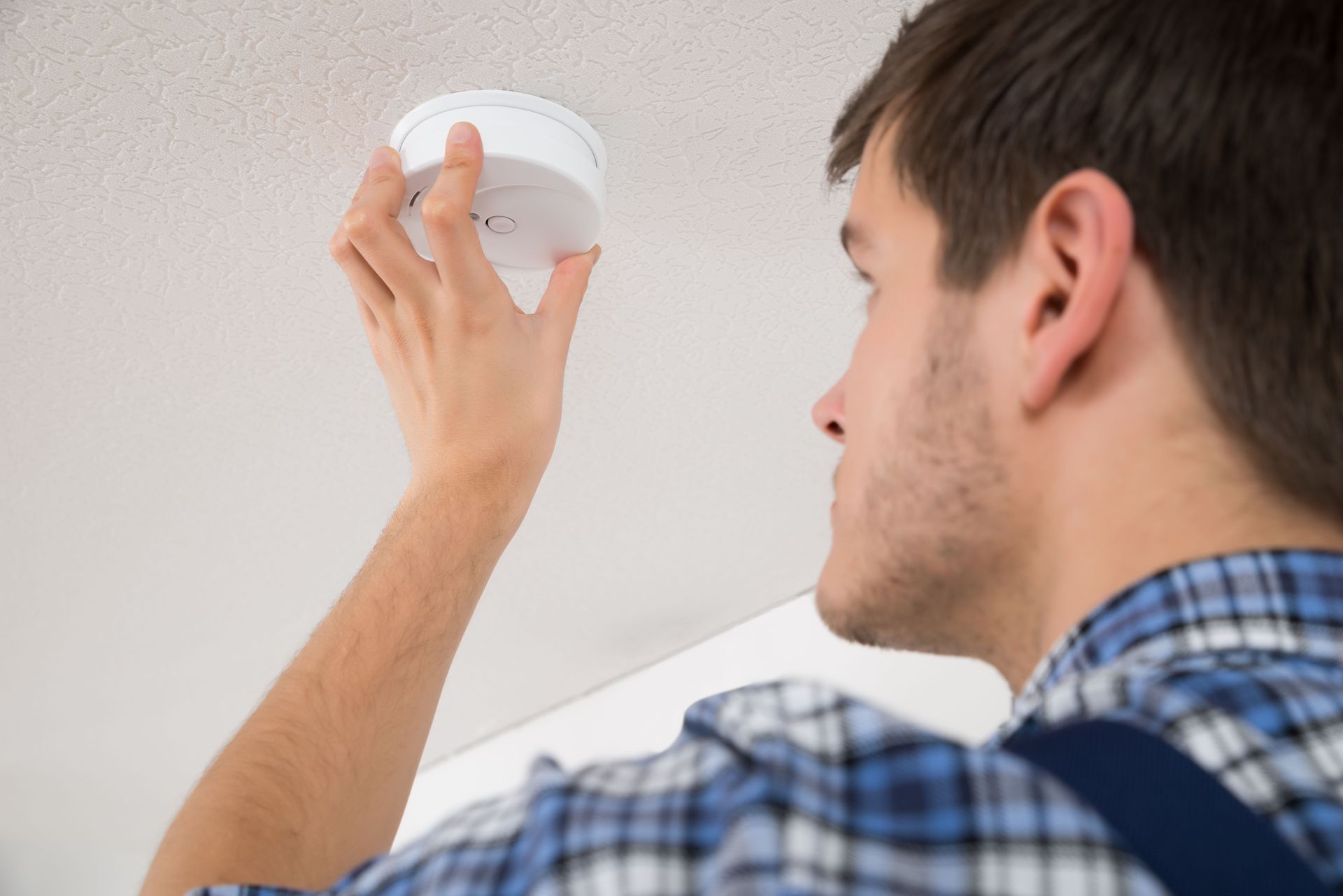
Electronic detection devices serve as the primary line of defense against unexpected exhaust leaks in modern homes. These units constantly sample the indoor atmosphere, utilizing advanced electrochemical sensors to track gas concentrations over specific intervals. Because the gas accumulates in the human body over time, these sensors are calibrated to trigger an audible alarm if they detect sustained low levels of the gas or a sudden, dramatic spike in concentration. Placing these units on every floor of the house, especially right outside sleeping areas, ensures that occupants will be awakened if an emergency occurs overnight.
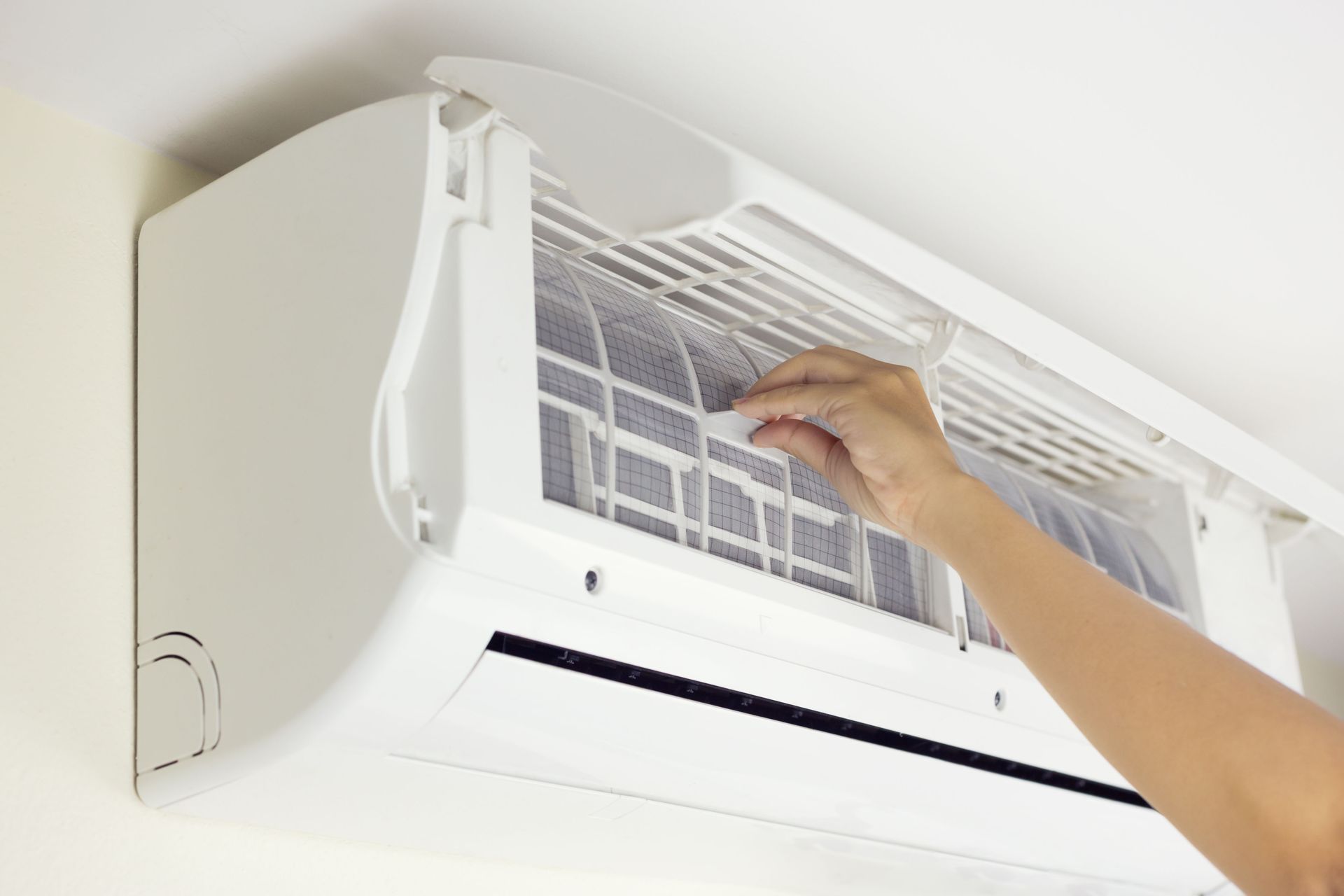
Maintaining these electronic units requires regular user verification and scheduled component replacements to keep them fully operational. Most manufacturers specify that residential sensors have a functional lifespan of five to seven years, after which the internal components lose their sensitivity and can no longer provide accurate readings. Homeowners should test the audible alarms on these devices every month and replace the backup batteries at least once a year. Keeping the exterior casings clean and free from household dust prevents the sensor openings from becoming blocked, ensuring that air can flow freely through the monitoring mechanism.
Recognizing Exposure Signals and Coordinating Response
Every member of a household should know how to identify the subtle physical signs of gas exposure and understand the correct emergency protocols to follow. Because the early symptoms of poisoning can easily be confused with a common seasonal illness, it is important to pay attention to when and where these symptoms occur. If multiple individuals, or even household pets, begin feeling unwell at the same time, or if the symptoms consistently disappear when people leave the house, an underlying ventilation problem is a highly probable cause. Reach out to your local HVAC service provider to figure out the cause.
If a residential alarm sounds or if exposure is strongly suspected, everyone must immediately stop what they are doing and evacuate the property to get into fresh air. Do not spend time opening windows or turning off appliances, as every second spent inside an active leak increases the physiological damage caused by oxygen deprivation. Once everyone is safely outdoors at a designated meeting spot, contact emergency services so that first responders can assess the situation and assist anyone who is feeling ill. The property should remain completely empty until it has been inspected and cleared by professionals who possess the proper tools to confirm that the air is safe.
Implementing Comprehensive Safety Protocols
Achieving long-term safety requires a comprehensive strategy that combines continuous monitoring with proactive appliance maintenance. Relying solely on electronic detectors is a risky approach, as these devices are meant to serve as an emergency backup rather than a substitute for well-maintained machinery. A superior strategy focuses on keeping all combustion systems in peak condition, ensuring that dangerous gas concentrations never have the opportunity to develop in the first place. This balanced approach provides continuous protection and gives property owners complete confidence in the integrity of their indoor environment.
Combining routine personal device testing with scheduled professional maintenance creates an exceptionally safe living space for families. By learning about the common causes of ventilation failure and monitoring the performance of household systems, individuals can identify potential hazards before they escalate into dangerous situations. The small amount of effort required to manage these safety tasks pays massive dividends in health, property preservation, and overall peace of mind. Making a commitment to home safety means ensuring that every mechanical system receives the precise care and attention it needs to operate safely year after year.
Maintaining a secure, healthy home requires consistent vigilance and a proactive approach to managing all fuel-burning appliances. Leaving ventilation safety to chance introduces unnecessary risks that can easily jeopardize the health and well-being of everyone living under your roof. The most effective way to eliminate these hidden hazards is to combine regular personal monitoring with the specialized expertise of certified technicians who know exactly how to keep your heating systems operating within safe limits. Incorporating a comprehensive
HVAC service into your annual home maintenance schedule guarantees that hidden technical defects are caught early, protecting your family from the dangers of toxic exhaust. Contact On Point Heating & Air Conditioning today to schedule a detailed system inspection and ensure your home remains safe, efficient, and completely secure for the future.