February 3, 2026
Understanding when to call in HVAC services can save you time, money, and discomfort. Many homeowners are unaware of vital HVAC issues until they have escalated into significant problems. Recognizing these overlooked issues early on is crucial for maintaining system efficiency and ensuring a comfortable living environment. This article explores commonly overlooked HVAC issues that necessitate professional HVAC services. By understanding these issues, you'll be better equipped to maintain your HVAC system effectively and know when to seek professional help.
1: Poor Airflow
1.1: Causes of Poor Airflow
Poor airflow in HVAC systems can arise from various sources, impacting system efficiency and comfort. One common cause is blocked or dirty ductwork, which hinders the free movement of air through the system. Additionally, a malfunctioning fan or clogged filter can significantly contribute to this issue, reducing overall performance. Sometimes, incorrect sizing of ductwork relative to the HVAC unit causes improper air distribution. It is essential to identify and address these causes to ensure optimal airflow and system operation.
1.2: Consequences of Ignoring Airflow Issues
Ignoring airflow issues can lead to numerous negative consequences for homeowners. One primary outcome is the strain on the HVAC system, which may result in increased energy bills as the system struggles to operate efficiently. Furthermore, inadequate airflow often leads to uneven temperature distribution within the home, causing discomfort in certain areas. Over time, the system's components may wear out more quickly due to the additional strain, leading to costly repairs. Ultimately, ignoring airflow issues can shorten the lifespan of your HVAC system.
1.3: Diagnostic Tools for Airflow Problems
Diagnosing airflow problems requires specialized tools and expertise for accurate assessment and remedies. HVAC services often use anemometers to measure the speed and volume of air passing through ductwork. Smoke pencils or fog machines can also help visualize airflow patterns and identify obstructions or leaks. Thermal imaging cameras are instrumental in detecting temperature variations that point to insulation issues or leaks. Combining these tools with a thorough inspection allows professionals to pinpoint the exact causes of airflow issues and devise effective solutions.
1.4: Professional Solutions for Improving Airflow
Once airflow issues are diagnosed, professional HVAC services employ various methods to restore optimal conditions. Cleaning or replacing ductwork is a common solution for addressing dirt and obstruction problems. Balancing the airflow by adjusting dampers ensures even distribution throughout the home. In some cases, upgrading or repairing system fans and motors may be necessary to achieve better airflow efficiency. Lastly, regular maintenance, like replacing air filters, is emphasized to prevent reoccurrence of airflow issues.
1.5: Preventive Measures to Avoid Airflow Issues
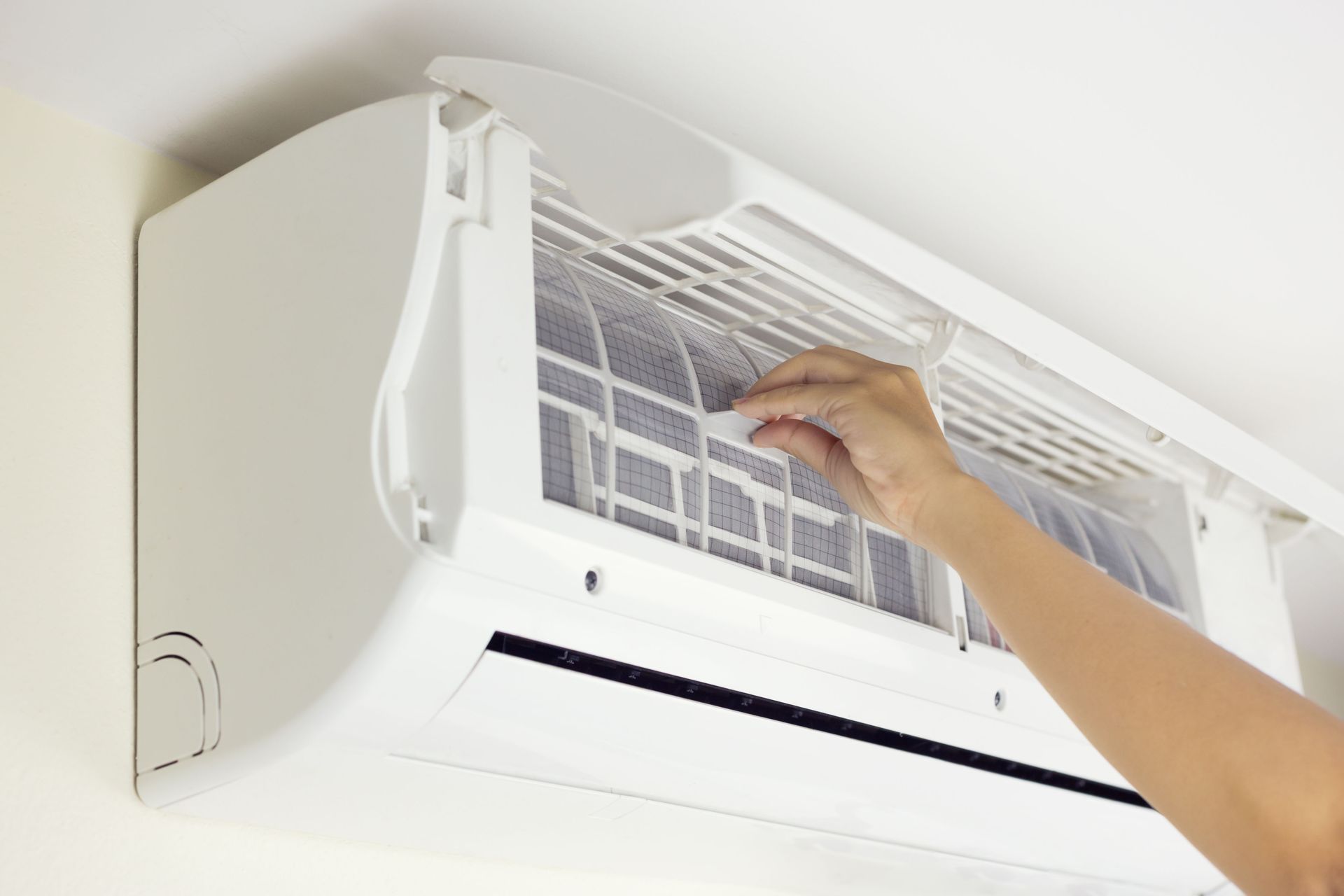
Preventing airflow issues involves proactive maintenance and strategic planning. Regularly inspecting and replacing air filters helps maintain unrestricted airflow and reduce the risk of blockages. Ensuring that vent and duct outlets remain unobstructed by furniture or other objects is crucial for optimal distribution. Additionally, scheduling periodic professional HVAC check-ups can identify potential problems before they escalate. Proper sizing of HVAC components during installation is essential to prevent airflow issues from arising in the first place.
2: Thermostat Malfunctions
2.1: Common Thermostat Issues
Thermostat malfunctions are a frequent concern within HVAC systems, often overlooked until noticeable discomfort occurs. One prevalent issue is calibration errors, where the thermostat inaccurately measures room temperature. Improper placement, such as exposure to direct sunlight or drafts, can also affect thermostat performance. Additionally, outdated models or failing wiring connections may lead to inconsistent communication with the HVAC system. Addressing these issues promptly ensures efficient system operation and energy consumption.
2.2: Symptoms of a Faulty Thermostat
A faulty thermostat can manifest through various warning signs that indicate service might be needed. These symptoms include incorrect temperature readings or the system failing to maintain the desired temperature setting. Short cycling, where the HVAC system frequently turns on and off, can also stem from thermostat issues. Unresponsive controls or unexpected spikes in energy bills point to a malfunctioning thermostat. Recognizing these symptoms early allows for timely intervention and resolution of underlying problems.
2.3: DIY Checks Before Calling a Technician
Before contacting a professional technician, homeowners can conduct several simple checks to determine thermostat functionality. First, ensuring the thermostat is set to the correct HVAC mode, such as heating or cooling, can resolve common issues. Checking the batteries and replacing them if necessary can also resolve performance inconsistencies. Verifying proper connections and cleaning the thermostat gently can improve responsiveness. According to WorkYard, 86% of homeowners lack detailed knowledge of HVAC components, making these basic checks a valuable preliminary step.
2.4: Advances in Thermostat Technology
Advancements in thermostat technology offer enhanced control and efficiency options for modern HVAC systems. Smart thermostats, for instance, learn user preferences and adjust settings automatically for improved comfort and energy savings. Additionally, Wi-Fi-enabled models provide remote access and monitoring capabilities, allowing homeowners to manage temperature settings from their devices. These innovations provide greater precision and adaptability compared to traditional systems. Embracing modern thermostat technology can result in substantial cost savings and a more comfortable home environment.
3: Refrigerant Leaks
3.1: Signs of Refrigerant Leaks
Refrigerant leaks in HVAC systems are a critical issue that should not be overlooked. Common signs of a refrigerant leak include decreased cooling efficiency or the inability to maintain set temperatures. Ice accumulation on the refrigerant lines or evaporator coils is another telltale sign of a possible leak. Additionally, unusual hissing or bubbling noises may indicate escaping refrigerant. Detecting these symptoms early allows for timely intervention and prevents further damage to the HVAC system.
3.2: Impact of Leaks on System Efficiency
Refrigerant leaks significantly impact the overall efficiency and performance of HVAC systems. As the refrigerant level decreases due to leaks, the system must work harder to achieve desired temperatures, leading to increased energy consumption. This increased workload can also cause components to wear prematurely, necessitating costly repairs. Moreover, inadequate refrigerant levels compromise the system's ability to remove humidity effectively, reducing indoor comfort. Addressing leaks promptly maintains system efficiency and extends equipment lifespan.
3.3: Environmental Concerns and Laws
Refrigerant management is subject to strict environmental regulations due to its potential impact on the ozone layer and climate change. Many countries enforce laws that mandate the proper handling and disposal of refrigerants to prevent harmful environmental effects. Professional HVAC services must adhere to certified procedures to contain and recover refrigerant during maintenance or repairs. Homeowners should ensure that professionals servicing their systems are familiar with these laws and licensed to handle refrigerants. Compliance with regulations is essential for legal and environmental responsibility.
3.4: Repair Techniques for Refrigerant Leaks
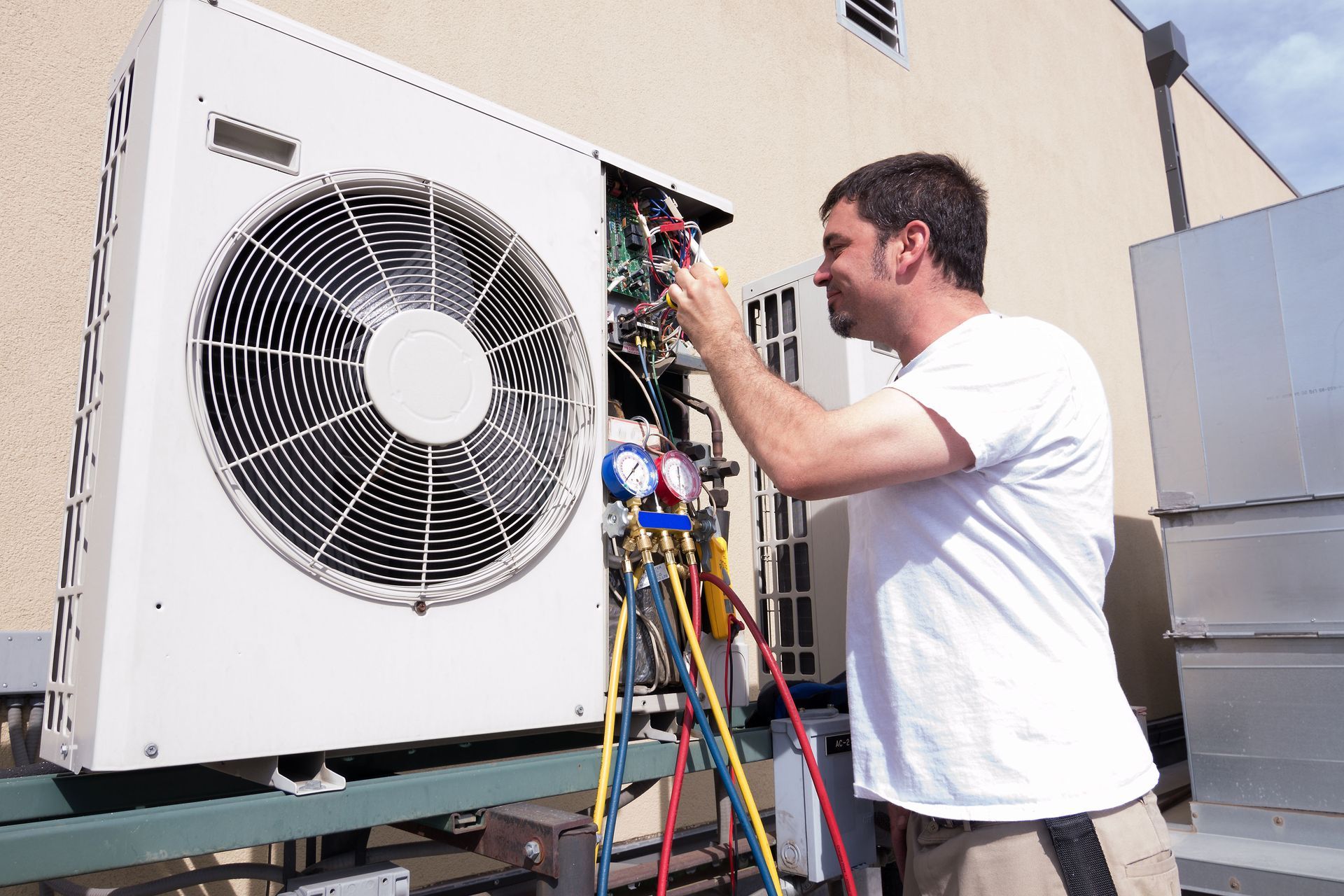
Addressing refrigerant leaks requires specialized techniques and equipment for effective resolution. Professional technicians use electronic leak detectors to identify and pinpoint leak locations accurately. Once found, repairs may involve sealing leaks in the coils or replacing affected components. After addressing the leak, technicians recharge the system with the appropriate refrigerant type and amount. Regular maintenance and leak checks help prevent future refrigerant issues, ensuring the system operates efficiently over time.
Regular maintenance and timely professional assistance can prevent common HVAC issues from escalating, ensuring efficient operation and a comfortable living environment. Being aware of these overlooked issues helps in making informed decisions about when to seek HVAC services. Furthermore, embracing modern technology and innovations in HVAC systems can provide better control and efficiency. With routine inspections and attentive care, homeowners can prolong their HVAC systems' lifespan and maintain their home comfort effectively. Addressing these issues promptly and strategically is vital for sustaining system health and optimizing energy consumption. If you're looking for reliable HVAC services, contact On Point Heating & Air Conditioning today.